Bedroom Cleaning Checklist PDF: An Overview
Utilizing a bedroom cleaning checklist PDF streamlines tidying, offering structure and ensuring no task is overlooked.
It’s especially helpful for teens, promoting responsibility and efficient cleaning habits within their spaces.
These checklists range from daily quick tasks to monthly deep cleans, adapting to various bedroom types – hall bedrooms or study-cum-bedrooms.
Effective communication regarding expectations, coupled with timer-based sessions, enhances the checklist’s success, fostering a cleaner, more organized bedroom environment.
Understanding the Need for a Checklist
A bedroom cleaning checklist isn’t merely about aesthetics; it’s about cultivating a healthier and more productive living space. Without a structured approach, cleaning can feel overwhelming, leading to procrastination and a perpetually messy room.
For teenagers, a checklist fosters independence and responsibility, teaching valuable life skills beyond simply tidying up. It transforms cleaning from a chore into a manageable series of tasks, reducing anxiety and promoting a sense of accomplishment.
Moreover, a checklist ensures consistency. Regular cleaning prevents dirt and clutter from accumulating, making each cleaning session less daunting.
It’s particularly crucial in multi-purpose rooms, like study-cum-bedrooms, where organization is paramount for focus and efficiency.
Ultimately, a well-defined checklist, ideally in a printable PDF format, is a tool for establishing healthy habits and maintaining a comfortable, functional bedroom.
Benefits of Using a Printable PDF
A printable bedroom cleaning checklist PDF offers unparalleled convenience and accessibility. Unlike digital lists on devices, a physical checklist eliminates distractions and ensures it’s readily available whenever cleaning time arrives.
Its tangible nature allows for easy tracking of completed tasks – a simple checkmark provides instant visual gratification and motivates continued effort. This is especially beneficial for teenagers who may need extra encouragement.
Furthermore, PDFs are easily customizable. You can tailor the checklist to suit specific bedroom types, whether a small hall bedroom or a larger study-cum-bedroom, and adjust tasks based on individual needs and preferences.
The format also facilitates sharing; multiple copies can be printed for different family members, promoting collaborative cleaning and shared responsibility.

Daily Bedroom Cleaning Tasks (5-10 Minutes)
Consistent daily upkeep, like making the bed and a quick surface wipe-down, prevents clutter buildup.
Prioritize clothes organization using the 5-minute rule for a tidy space.
Making the Bed
Starting the day with a made bed instantly elevates the entire bedroom’s appearance, creating a sense of calm and order. It’s a remarkably simple task, yet its impact is substantial, transforming a chaotic space into one that feels more put-together and inviting. This daily habit requires minimal effort – smoothing sheets, arranging pillows, and pulling up the duvet or comforter.
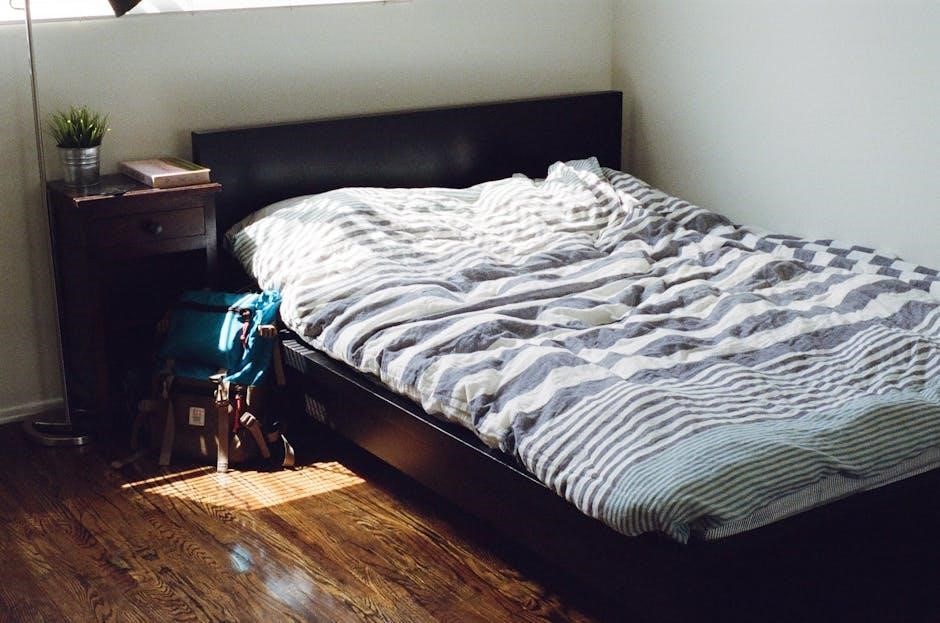
Beyond aesthetics, making the bed sets a positive tone for the day, encouraging further tidiness. It’s a small accomplishment that can inspire you to tackle other tasks on your bedroom cleaning checklist. Consider it a foundational step, a visual cue that signals the start of a productive and organized day. It truly is a cornerstone of daily bedroom maintenance.
Quick Surface Wipe-Down
A swift surface wipe-down is a crucial component of daily bedroom upkeep, requiring just a few minutes but yielding significant results. Focus on frequently touched areas like nightstands, dressers, and window sills, removing dust, fingerprints, and any lingering clutter. Utilize a microfiber cloth and a gentle cleaning solution for optimal effectiveness.
This quick task prevents dust buildup and maintains a hygienic environment. Don’t neglect electronics – gently wipe down screens and casings to remove dust and smudges. A consistent surface wipe-down minimizes the need for more intensive cleaning later, contributing to a consistently tidy bedroom. It’s a small investment of time for a noticeable improvement in cleanliness.
Clothes Organization ⸺ The 5-Minute Rule
Implementing the “5-Minute Rule” for clothes organization is a game-changer, particularly in teen bedrooms prone to clutter. Set a timer for five minutes and dedicate that short burst of time solely to clothing. Focus on putting away clean clothes, hanging up items, or sorting through a small pile of laundry.
This prevents clothes from accumulating on chairs, floors, or beds. The limited timeframe makes the task less daunting and encourages consistent effort. Repeat this throughout the day – even multiple times – to maintain order. It’s a surprisingly effective method for combating “clutter-blindness” and establishing a habit of immediate clothes organization, leading to a tidier bedroom.
Weekly Bedroom Cleaning Checklist (30-60 Minutes)
A weekly routine includes detailed dusting, floor care (vacuuming or sweeping), fresh bed linens, and trash removal.
This dedicated time ensures a consistently clean and comfortable bedroom space.
Detailed Dusting (Furniture, Shelves, Electronics)
Effective dusting goes beyond a quick swipe; it’s crucial for removing allergens and maintaining a healthy bedroom environment. Begin with furniture surfaces, utilizing a microfiber cloth to trap dust instead of spreading it. Don’t forget often-overlooked areas like chair legs and bed frames!
Next, tackle shelves, removing items to dust thoroughly underneath. Pay special attention to electronics – TVs, speakers, and gaming consoles – using a dry cloth or compressed air to avoid damage from moisture.
Remember to unplug electronics before cleaning.
For delicate items or intricate designs, a soft brush attachment on a vacuum cleaner can be incredibly helpful. Consistent, detailed dusting significantly improves air quality and extends the life of your bedroom furnishings.
Vacuuming or Sweeping the Floor
Regular floor care is essential for a clean bedroom, removing dust, dirt, and allergens that accumulate quickly. Vacuuming is ideal for carpets and rugs, utilizing attachments to reach under furniture and along baseboards for a thorough clean.
For hard floors, sweeping or using a microfiber mop effectively removes debris. Pay attention to corners and edges where dust tends to gather. Consider the bedroom’s size and traffic when determining frequency – weekly is generally recommended.
Prior to vacuuming or sweeping, quickly pick up any larger items or clutter to prevent damage to your cleaning tools and ensure optimal results. A clean floor contributes significantly to the overall freshness of the bedroom.
Changing Bed Linens
Refreshing bed linens is a cornerstone of bedroom cleanliness, impacting both hygiene and comfort. Aim to change sheets, pillowcases, and blankets weekly, or more frequently if you sleep without a top sheet or experience allergies.
Remove all bedding and inspect the mattress for any spills or stains, addressing them promptly. Wash linens in hot water to kill dust mites and bacteria, following care label instructions. While the bedding is washing, air out the mattress.
Re-make the bed with fresh linens, ensuring a snug fit. This simple act instantly transforms the bedroom’s appearance and creates a welcoming, restful environment. A clean bed promotes better sleep quality.
Emptying Trash Bins & Recycling
Regularly emptying bedroom trash bins is crucial for maintaining hygiene and preventing unpleasant odors. Aim to do this weekly, or more often if necessary, especially if you discard food wrappers or tissues. Don’t let trash accumulate, attracting pests or creating unsanitary conditions.
Separate recyclables from general waste, adhering to your local recycling guidelines. This demonstrates environmental responsibility and reduces landfill waste. Ensure recycling bins are also emptied regularly to prevent overflow.
Consider lining trash bins with bags for easier disposal and cleaning. Wipe down the inside of the bins periodically to eliminate lingering smells and maintain a fresh bedroom environment. A clean bin contributes to overall cleanliness.

Monthly Bedroom Cleaning Checklist (60-90 Minutes)
This phase involves deeper cleaning: washing curtains, deep cleaning furniture (drawers, under the bed), cleaning mirrors and windows, and disinfecting surfaces.

Washing Curtains or Blinds
Regularly washing curtains or blinds is crucial for a truly clean bedroom, often overlooked in routine cleaning. Dust and allergens accumulate on these surfaces, impacting air quality and potentially triggering allergies. Check the care label first – some curtains require dry cleaning, while others can be machine washed on a delicate cycle.
For blinds, a damp cloth or a specialized blind cleaner works effectively. Gently wipe each slat to remove dust and grime. Consider removing blinds entirely for a more thorough cleaning, especially if they haven’t been cleaned in a while. This monthly task significantly contributes to a healthier and fresher bedroom environment, improving overall well-being.

Don’t forget to allow curtains to dry completely before rehanging to prevent mildew growth!
Deep Cleaning Furniture (Inside Drawers, Under Bed)
Monthly deep cleaning of bedroom furniture is essential for eliminating hidden dust and clutter. Begin by emptying drawers completely, wiping down the interiors with a damp cloth and all-purpose cleaner. Reorganize contents, discarding unwanted items. Don’t neglect the space under the bed – a notorious dust bunny haven!
Move the bed and vacuum thoroughly, paying attention to corners and crevices. Consider using a bed riser to create more storage space and facilitate easier cleaning in the future. This detailed cleaning process not only improves air quality but also extends the life of your furniture, maintaining a tidy and organized bedroom.
Remember to let everything dry before putting it back!
Cleaning Mirrors and Windows
Monthly cleaning of mirrors and windows significantly brightens a bedroom, maximizing natural light. Start with a microfiber cloth and a glass cleaner – avoid harsh chemicals that can leave streaks. Spray the cleaner onto the cloth, not directly onto the glass, to prevent overspray and drips.
Wipe in overlapping motions, ensuring complete coverage. For stubborn spots, gently scrub with a clean, damp cloth. Pay attention to edges and corners where dust tends to accumulate. Clean windows also improve the overall aesthetic of the room, creating a more inviting and spacious feel.
A sparkling clean reflection enhances the bedroom’s ambiance!
Disinfecting Light Switches and Door Handles
As part of a monthly deep clean, disinfecting light switches and door handles is crucial for removing germs and maintaining a healthy bedroom environment. These high-touch surfaces accumulate bacteria quickly, making regular disinfection essential.
Use a disinfectant wipe or spray, ensuring the product is suitable for the surface material. Apply the disinfectant and allow it to sit for the recommended time – usually a few minutes – before wiping clean with a dry cloth.
This simple step significantly reduces the spread of illness and contributes to a more hygienic living space, promoting overall well-being within the bedroom.
Teen Bedroom Cleaning Checklist Considerations
For teens, checklists thrive with clear communication about expectations and responsibilities. Timer-based cleaning sessions can make the process less daunting and more manageable.
Communication and Expectations
Establishing open communication is paramount when implementing a bedroom cleaning checklist, particularly with teenagers. Clearly define what constitutes a “clean” bedroom, avoiding vague terms. Discuss expectations regarding frequency – daily tasks versus weekly or monthly deep cleans – and the level of detail required for each.
Involve your teen in the checklist creation process; this fosters a sense of ownership and responsibility. Explain the benefits of a clean space, linking it to improved focus, reduced stress, and overall well-being. Address potential challenges proactively, such as time constraints or difficulty prioritizing tasks.
Remember, a checklist isn’t about imposing control, but about equipping your teen with the tools and understanding to maintain a tidy and organized living space independently. Consistent, respectful dialogue is key to success.
Timer-Based Cleaning Sessions
Implementing timer-based cleaning sessions transforms daunting tasks into manageable bursts of activity. Setting a timer – for example, 10 or 15 minutes – encourages focused effort and prevents overwhelm, especially beneficial for teenagers prone to distraction. This approach breaks down the bedroom cleaning checklist into smaller, achievable segments.
Encourage working against the clock, aiming to complete as many tasks as possible within the allotted time. This gamified approach can make cleaning more engaging and less tedious. After the timer rings, a short break is permitted before tackling the next segment of the checklist.
Regular, short bursts of cleaning are often more effective than infrequent, lengthy sessions, fostering consistent upkeep and preventing clutter from accumulating.
Creating Your Own Bedroom Cleaning Checklist PDF
Personalized checklists should include essential elements like daily tidying, weekly deep cleaning, and monthly tasks.
Free printable resources offer templates to customize for individual bedroom needs and preferences.
Essential Checklist Elements
A comprehensive bedroom cleaning checklist PDF must incorporate varied tasks. Daily sections should focus on quick wins – making the bed and surface wipe-downs. Weekly tasks demand more effort, including detailed dusting of furniture, electronics, and shelves, alongside vacuuming or sweeping floors and linen changes.
Monthly deep cleans require attention to often-neglected areas like washing curtains, cleaning mirrors and windows, and disinfecting frequently touched surfaces like light switches and door handles.
For teen bedrooms, clearly defined expectations and timer-based cleaning sessions are crucial for success.
Consider specific bedroom types; hall bedrooms need focused small-space solutions, while study-cum-bedrooms require multi-purpose cleaning strategies. A well-structured checklist promotes consistency and a consistently tidy bedroom.
Free Printable Checklist Resources
Numerous online resources offer free printable bedroom cleaning checklist PDFs, simplifying organization. Pretty Simple Mom provides a complete teenager’s bedroom cleaning checklist, ideal for addressing clutter and encouraging responsibility. Extraordinary Family Relationships offers both monthly and weekly free printables, designed to foster a collaborative cleaning approach.
These resources often categorize tasks by frequency – daily, weekly, and monthly – making it easy to tailor the checklist to individual needs. Utilizing these pre-made checklists saves time and ensures all essential cleaning areas are covered.
Downloading and printing a checklist provides a tangible reminder of cleaning duties, promoting consistency and a more organized bedroom environment for all ages.

Addressing Specific Bedroom Types
Adapting checklists to bedroom type is key; hall bedrooms need quick tidies, while study-cum-bedrooms require balancing cleaning with study space organization for optimal efficiency.
Hall Bedroom Cleaning (Smaller Spaces)
Hall bedrooms, often designated as guest rooms or for younger children, present unique cleaning challenges due to their limited size. A focused checklist is crucial. Prioritize decluttering surfaces, as space is at a premium. Dusting should be thorough, reaching all corners and often simpler furniture.
Because of the smaller footprint, vacuuming or sweeping the floor is quicker, but still essential. Bed linens should be changed weekly, maintaining freshness. Don’t forget to quickly wipe down surfaces and empty the trash bin regularly.
Focus on maximizing the usable space by keeping items organized and minimizing unnecessary decorations. A minimalist approach to cleaning and décor will make maintaining a hall bedroom significantly easier.
Study-Cum-Bedroom Cleaning (Multi-Purpose Rooms)
Cleaning a study-cum-bedroom requires a checklist that addresses both living and work areas. Begin by clearing the desk of study materials, organizing papers, and wiping down surfaces. Dusting needs to be comprehensive, covering bookshelves, electronics, and the bed frame.
Pay special attention to the floor, vacuuming or sweeping to remove dust and debris accumulated from study activities. Ensure the bed is made daily, creating a clear separation between work and rest.
Regularly declutter both study and bedroom areas, removing items that no longer serve a purpose. A well-organized multi-purpose room promotes focus and relaxation, making a detailed checklist essential for maintaining balance.