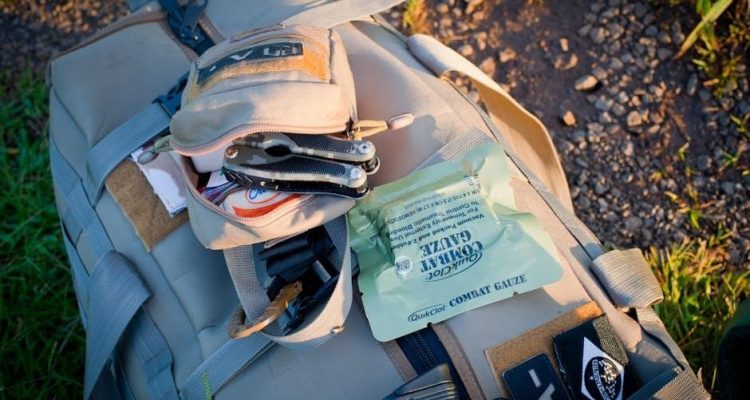
American Survival Guide Magazine: A Comprehensive Overview
American Survival Guide, resurrected in 2011, blossomed into a widely-read publication, catering to diverse survival preparedness goals with engaging content and practical advice.
Origins and Founding
American Survival Guide’s story begins surprisingly not with survivalism, but with motorsports. The magazine’s roots trace back to 1979, founded by an eccentric enthusiast behind AEE Choppers, a motorcycle parts supply house. This founder, known for flamboyant style – cowboy boots and white suits – even kept a pet cougar in his office!
Initially, the magazine served as a promotional tool for AEE Choppers, aiming to reach a specific demographic. However, it quickly evolved beyond its initial purpose. Recognizing a growing interest in self-reliance and preparedness, the publication shifted its focus. This transition marked the birth of a magazine dedicated to survival skills, gear, and knowledge, laying the foundation for what would become a cornerstone of the survivalist community.
The Eccentric Founder: AEE Choppers and the Initial Vision
The man behind American Survival Guide was a true original. He was a motorsports enthusiast who ran AEE Choppers, a motorcycle parts business, and possessed a uniquely flamboyant personal style – frequently sporting cowboy boots and crisp white suits. Adding to his legendary persona, he famously kept a live cougar as a pet… in his office!
His initial vision wasn’t solely focused on survival. He aimed to connect with a specific customer base through the magazine, promoting AEE Choppers. However, he quickly recognized a broader appeal in self-reliance and preparedness. This insight led to a pivotal shift, transforming the publication into a resource for survival skills and gear, driven by his unconventional spirit.
Early Years and Content Focus (Pre-1990s)
In its formative years, American Survival Guide distinguished itself by offering a blend of practical knowledge and adventurous spirit. The magazine delved into topics crucial for self-sufficiency, covering wilderness survival techniques, emergency preparedness, and resourceful living. Early issues featured articles on building shelters, finding food and water, and navigating challenging terrains.
A significant focus was placed on equipping readers with the necessary tools and knowledge to handle various survival scenarios. Content often included detailed reviews of firearms, knives, and other essential gear. The magazine aimed to empower individuals to become self-reliant and prepared for unforeseen circumstances, establishing a foundation for its future success.
Key Contributors and Authors in the Magazine’s Early History
While specific names from the earliest issues remain somewhat obscured by time, American Survival Guide benefited from a network of experienced outdoorsmen, survival experts, and firearms enthusiasts. Cody Lundin emerged as a prominent voice, contributing extensively to firearms coverage, particularly revolver-focused articles, showcasing practical applications for survival situations.
The magazine also drew upon individuals with backgrounds in military survival training and wilderness living. These contributors provided invaluable insights into essential skills like shelter building, food procurement, and emergency medical care. Their expertise helped establish ASG as a trusted source of information for those seeking to enhance their self-reliance and preparedness.
The Magazine’s Peak and Decline (1990s ⏤ 2000s)

American Survival Guide faced increasing competition from emerging prepper media and experienced financial difficulties, ultimately leading to a suspension of publication in the 2000s.
Shifting Survival Trends and ASG’s Response
Throughout the 1990s and 2000s, the landscape of survival preparedness began to evolve. Initial focuses on wilderness skills and remote living gradually broadened to encompass concerns about societal disruptions, economic instability, and potential large-scale emergencies. American Survival Guide attempted to adapt, broadening its content to address these emerging anxieties.

The magazine incorporated more articles on self-defense, home security, and urban survival strategies. While maintaining its core coverage of firearms, gear, and outdoor skills, ASG also explored topics like medical preparedness, alternative energy, and food storage. This shift aimed to resonate with a growing audience increasingly focused on preparing for a wider range of potential threats, not just isolated wilderness scenarios. However, these adjustments weren’t always enough to counteract the changing media environment.
Competition from Emerging Prepper Media
As the internet matured, American Survival Guide faced increasing competition from a new wave of prepper-focused media. Online platforms, forums, and websites dedicated to survivalism and preparedness began to proliferate, offering readily accessible and often free content. Survival Dispatch, for example, compiled a massive list of prepper resources, challenging the magazine’s position as a primary source of information.
These digital competitors often benefited from lower overhead costs and a more interactive format, fostering communities and enabling rapid dissemination of information. The rise of social media further fragmented the audience, as individuals turned to platforms like Reddit’s r/SelfSufficiency for advice and discussion. ASG struggled to maintain its market share against this increasingly diverse and dynamic media landscape.
Financial Difficulties and Publication Suspension
Despite its initial success and dedicated readership, American Survival Guide encountered significant financial challenges in the late 1990s and early 2000s. The intensifying competition from emerging prepper media, coupled with shifting advertising revenue models, placed considerable strain on the magazine’s profitability. Declining subscription rates and newsstand sales further exacerbated these difficulties.
Ultimately, these economic pressures led to the suspension of publication. The magazine ceased regular issues, leaving a void for its loyal readers. While the exact details surrounding the financial collapse remain somewhat obscure, it’s clear that ASG couldn’t sustain itself amidst the evolving media landscape and increased competition for survival-related content.
Resurrection and Modern Era (2011 ⏤ Present)
American Survival Guide experienced a remarkable revival in 2011 with new ownership, refocusing its editorial direction to meet the evolving needs of its readership.
The 2011 Relaunch: New Ownership and Editorial Direction
The 2011 relaunch of American Survival Guide marked a pivotal moment, breathing new life into a publication with a rich, yet fragmented, history. Following a period of suspension, the magazine was acquired by new ownership who recognized the enduring appeal of survival preparedness. This wasn’t simply a continuation of the old format; it represented a deliberate shift in editorial focus.
The new publishers aimed to create a magazine that resonated with a broader audience, encompassing both seasoned survivalists and those newly interested in self-reliance. They understood the core interests of their potential readers – a desire for practical knowledge, reliable gear reviews, and actionable skills. The editorial direction prioritized content that was both informative and engaging, moving beyond niche topics to address a wider spectrum of survival scenarios. This strategic repositioning proved successful, quickly re-establishing American Survival Guide as a leading voice in the survivalist community.
Core Interests of the Modern ASG Reader
The modern American Survival Guide reader embodies a diverse spectrum of preparedness motivations. While a foundational interest in self-reliance remains constant, the specific drivers vary considerably. Many are focused on mitigating risks associated with natural disasters, economic instability, or societal disruptions. Others prioritize wilderness survival skills for recreational pursuits like hiking and camping, seeking enhanced safety and self-sufficiency in remote environments.
A significant portion of the readership is also deeply engaged with the concept of personal and family security, encompassing home defense and emergency medical preparedness. Regardless of their primary focus, a common thread unites them: a proactive approach to facing potential challenges and a desire to equip themselves with the knowledge and tools necessary to overcome adversity. They seek practical, reliable information and gear recommendations.
Content Pillars: Firearms, Gear, and Survival Skills
American Survival Guide consistently centers its content around three core pillars: firearms, essential gear, and practical survival skills. Firearms coverage extends beyond simple reviews, often delving into specific applications for self-defense and hunting, with revolvers frequently featured. Gear reviews are comprehensive, encompassing everything from generators and power solutions to innovative products designed for emergency preparedness.
However, the magazine doesn’t merely showcase products; it emphasizes how to effectively utilize them. A substantial portion of each issue is dedicated to in-depth survival skills training, covering topics like shelter building, food and water procurement, and wilderness first aid. This blend of equipment-focused content and actionable skills instruction defines the magazine’s enduring appeal.
Content Breakdown & Recurring Features
American Survival Guide frequently features buyers guides for generators, firearms, and backpacks, alongside detailed articles on knives, tools, and essential survival equipment.
Firearms Coverage: Revolvers and Beyond
American Survival Guide consistently dedicates significant coverage to firearms, establishing itself as a valuable resource for those seeking self-reliance and preparedness. A notable focus within this realm is the revolver, often highlighted for its simplicity, reliability, and ease of maintenance – qualities highly prized in survival scenarios.
However, the magazine’s scope extends far beyond revolvers. Articles routinely explore a diverse range of firearms, encompassing pistols, rifles, and shotguns, catering to varied preferences and tactical needs. Detailed reviews, practical shooting tips, and discussions on firearm maintenance are common features.
The publication doesn’t shy away from addressing legal considerations surrounding firearm ownership and usage, providing readers with informed perspectives. Trigger, a section within the magazine, specifically focuses on firearms, as evidenced by Cody Lundin’s revolver article in Issue 1.
Generators and Power Solutions
American Survival Guide recognizes the critical importance of reliable power in off-grid or emergency situations, dedicating substantial coverage to generators and alternative power solutions. The magazine provides in-depth reviews of various generator types, ranging from portable gasoline-powered units to more advanced propane and dual-fuel models, assisting readers in selecting the optimal power source for their needs.
Beyond generators, ASG explores solar power systems, battery storage solutions, and other innovative technologies. Articles often detail practical advice on generator maintenance, fuel storage, and safety precautions.

Issue 1 featured a dedicated “Buyers Guide” section specifically focused on generators, demonstrating the magazine’s commitment to providing readers with the information necessary to maintain functionality during crises. This focus ensures readers are prepared for power outages and self-sufficiency.
Knives and Tools: Essential Survival Equipment
American Survival Guide consistently highlights knives and tools as foundational elements of any survival kit, dedicating significant editorial space to their evaluation and practical application. The magazine features comprehensive reviews of diverse knife types – fixed blade, folding, and specialty survival knives – assessing blade materials, ergonomics, and overall durability.
Beyond knives, ASG covers a broad spectrum of essential tools, including axes, saws, multi-tools, and specialized implements for fire starting, shelter building, and food preparation. Articles often provide detailed guidance on tool maintenance, sharpening techniques, and safe usage practices.
Issue 1 included a 65-page section dedicated to knives, showcasing the magazine’s dedication to equipping readers with the knowledge to select and utilize these vital survival assets effectively.
Backpacks and Load-Carrying Systems
American Survival Guide recognizes the critical role of effective load-carrying systems in survival scenarios, consistently featuring in-depth coverage of backpacks and related gear. The magazine’s reviews analyze backpacks based on capacity, durability, comfort, and organizational features, catering to various mission profiles – from short-term bug-out bags to extended wilderness expeditions.
ASG doesn’t limit its focus to backpacks alone; it also explores chest rigs, plate carriers, and other modular load-bearing equipment, emphasizing the importance of customizable systems. Articles often detail proper packing techniques, weight distribution strategies, and considerations for selecting appropriate gear based on environmental conditions.
Issue 1 dedicated 54 pages to backpacks, demonstrating the magazine’s commitment to helping readers efficiently and comfortably carry essential survival equipment.
Survival Skills and Training
American Survival Guide frequently highlights essential skills like shelter building, food/water procurement, and features prominent survival schools for comprehensive training.
Great Survival Schools: Featured Institutions
American Survival Guide magazine consistently dedicated space to showcasing reputable survival schools, recognizing the importance of hands-on training for preparedness. The publication featured at least 20 such institutions in a single issue, providing readers with a diverse range of options to enhance their skills.
These featured schools offered courses covering a broad spectrum of survival disciplines, from wilderness first aid and shelter construction to advanced tracking and self-defense techniques. ASG aimed to connect readers with qualified instructors and proven methodologies, empowering them to confidently face challenging situations. The magazine’s coverage often included detailed descriptions of course offerings, instructor backgrounds, and school facilities, allowing potential students to make informed decisions.

By spotlighting these institutions, American Survival Guide reinforced its commitment to practical preparedness and fostered a community of skilled survivalists.

Food and Water Procurement Techniques
American Survival Guide consistently emphasized the critical importance of securing food and water in survival scenarios. Articles routinely detailed various techniques for locating, purifying, and obtaining these essential resources. Coverage extended from identifying edible plants and trapping small game to constructing water filters and collecting rainwater.
The magazine provided practical guidance on building snares, foraging for wild edibles, and utilizing natural water sources. ASG also explored advanced methods like solar stills and dew collection, catering to readers seeking comprehensive knowledge. Emphasis was placed on safety, stressing the importance of proper plant identification and water purification to avoid illness.
Through detailed instructions and expert advice, American Survival Guide equipped readers with the skills to sustain themselves in challenging environments.
Shelter Building and Wilderness Living
American Survival Guide dedicated significant coverage to the art of shelter construction and wilderness living skills, recognizing their fundamental role in survival. Articles detailed a wide range of shelter types, from simple lean-tos and debris huts to more elaborate structures utilizing natural materials.
The magazine provided step-by-step instructions, accompanied by illustrative diagrams, to guide readers through the building process. Beyond shelter, ASG explored essential wilderness skills like fire starting, knot tying, and navigation. Emphasis was placed on utilizing available resources efficiently and minimizing environmental impact.
American Survival Guide empowered readers to not only survive in the wilderness but to thrive, fostering self-reliance and a deep connection with the natural world.
Related Publications and Resources
American Survival Guide complemented resources like American Frontiersman and the U.S. Army Survival Guide, alongside online communities such as Survival Dispatch.
American Frontiersman: A Sister Magazine
American Frontiersman served as a companion publication to American Survival Guide, often exploring similar themes but with a distinct focus. A user on Reddit recalled American Frontiersman publishing relevant articles around the same timeframe as ASG, suggesting a shared editorial space or overlapping readership.
While American Survival Guide leaned heavily into modern survival techniques and gear, American Frontiersman appeared to emphasize traditional skills, historical perspectives, and a more rugged, self-reliant lifestyle reminiscent of mountain men and pioneers. This complementary approach allowed readers interested in a broader spectrum of survival knowledge to benefit from both magazines, creating a comprehensive resource for preparedness enthusiasts.
U.S. Army Survival Guide: A Complementary Resource
The U.S. Army Survival Guide stands as a highly respected and detailed resource, often recommended alongside publications like American Survival Guide. A link shared online provides access to a PDF version of this comprehensive manual, offering a wealth of information on surviving in diverse environments.
Unlike the magazine’s focus on gear reviews and modern techniques, the Army guide delivers a foundational understanding of survival principles, covering topics from shelter construction and water procurement to first aid and navigation. It serves as a valuable complement to ASG, providing a robust theoretical base for practical application, and is considered essential reading for serious survivalists.
Online Prepper Magazines and Communities (Survival Dispatch)
In the evolving landscape of survival preparedness, Survival Dispatch emerges as a significant online resource, offering a substantial archive of free content. Originally a paid subscription service, it now boasts approximately 500 articles, providing a wealth of information for enthusiasts.
This digital platform complements publications like American Survival Guide by offering a continuously updated stream of articles, discussions, and insights. It fosters a community where individuals can share knowledge and learn from each other, covering a broad spectrum of prepper topics. Survival Dispatch represents a modern, accessible alternative to traditional print magazines, catering to a growing online audience.
Legacy and Influence
American Survival Guide profoundly impacted the survivalist movement, maintaining enduring appeal through practical advice and fostering a dedicated readership for decades.
ASG’s Impact on the Survivalist Movement
American Survival Guide magazine played a pivotal role in shaping the modern survivalist movement, evolving from its initial focus on practical skills to encompass a broader spectrum of preparedness. For decades, it served as a central hub for information, connecting enthusiasts and experts alike.
The magazine’s consistent coverage of firearms, gear, and survival techniques empowered individuals to take proactive steps towards self-reliance. It wasn’t merely about surviving catastrophes; it was about fostering a mindset of preparedness and resourcefulness.
ASG helped legitimize survivalism, moving it beyond fringe interests and into a more mainstream consciousness. By providing accessible, well-researched content, it inspired countless individuals to learn essential skills and build resilient lifestyles. The publication’s influence continues to resonate within the community today.
The Magazine’s Enduring Appeal
American Survival Guide’s lasting popularity stems from its consistent dedication to practical, actionable information. Despite shifts in the media landscape and the rise of online resources, the magazine maintains a devoted readership. This appeal isn’t solely about preparing for disaster; it’s about embracing self-sufficiency and a proactive lifestyle.
The magazine’s strength lies in its curated content, offering a blend of expert advice, gear reviews, and real-world survival scenarios. It provides a tangible experience, unlike the often-overwhelming nature of online information.
ASG taps into a fundamental human desire for preparedness and resilience. Its enduring relevance proves that the core principles of survival – knowledge, skill, and resourcefulness – remain timeless and universally valued.
Future of American Survival Guide Magazine
American Survival Guide’s future appears secure, building on its 2011 resurrection and continued relevance in a growing preparedness market; Maintaining a balance between traditional print and digital platforms will be crucial. Expanding online content, including video tutorials and interactive features, could attract a wider audience.
Continued focus on core pillars – firearms, gear, and survival skills – is essential, alongside adapting to emerging trends like sustainable living and off-grid technologies. Collaboration with survival experts and schools will further enhance credibility.
ASG’s enduring appeal suggests a long-term viability, provided it continues to deliver high-quality, practical information to its dedicated readership and embraces innovation.