Breadman Bread Machine Manual: A Comprehensive Guide
Navigating the world of homemade bread is easier with the right guidance! This manual consolidates resources for Welbilt‚ Magic Chef‚ and Toastmaster models‚
offering essential instructions and recipes for delightful baking experiences․
Discover detailed steps‚ from basic dough preparation to utilizing advanced features like delay timers and crust control‚ ensuring perfect loaves every time․
Understanding Breadman Bread Machines
Breadman machines‚ like those from Welbilt (ABM600‚ ABM300-350) and models such as the TR444 and TR555LC‚ represent a commitment to convenient‚ homemade baking․ These appliances simplify the bread-making process‚ automating kneading‚ rising‚ and baking․
Historically‚ Breadman machines have been recognized as affordable options‚ offering a balance between price and functionality․ While professional reviews may be limited for specific models like the TR875‚ user feedback consistently highlights their ease of use․
Understanding the core mechanics – the heating element‚ kneading paddle‚ and control panel – is crucial․ Different models offer varying program options‚ including settings for whole wheat‚ French bread‚ and dough-only cycles․ Accessing the correct manual is paramount for unlocking your machine’s full potential‚ ensuring consistent and delicious results․
Common Breadman Models & Manual Availability
Several Breadman models have gained popularity over the years‚ including the TR444‚ TR555LC‚ and various Welbilt ABM series machines (ABM600‚ ABM300-350)․ Finding the correct manual for your specific model is often the first step towards successful bread making․
Fortunately‚ many Breadman manuals are readily available online in PDF format․ Websites offer free downloads for models like the Magic Chef CBM310 and Toastmaster bread box machines․ Searching specifically for your model number (e․g․‚ “Breadman TR444 manual”) will yield the most accurate results․
If a direct download isn’t available‚ online resources and forums dedicated to bread machines can be invaluable․ Users frequently share manuals or provide links to archived versions․ Remember to verify the manual’s compatibility with your exact Breadman machine model․
Locating Your Specific Breadman Manual Online
The internet provides numerous avenues for finding your Breadman bread machine manual․ A focused Google search using the full model number (e․g․‚ “Breadman TR875 manual”) is the most direct approach․ Many websites specialize in appliance manuals‚ offering downloadable PDFs․
Explore dedicated appliance manual archives and online forums․ These communities often host user-uploaded manuals for discontinued or less common models․ Websites offering manuals for Welbilt‚ Magic Chef‚ and Toastmaster machines may also contain Breadman resources․
If initial searches are unsuccessful‚ try broadening your search terms (e․g․‚ “Breadman bread maker manual”)․ Always double-check that the downloaded manual corresponds precisely to your machine’s model number to ensure accurate instructions and safety information;
Key Components & Control Panel Overview
Understanding your Breadman machine’s parts and controls is crucial! Familiarize yourself with the kneading paddle‚ baking pan‚ and the functions displayed on the control panel․
Identifying Parts of Your Breadman Machine
Let’s begin by pinpointing the essential components of your Breadman machine․ The baking pan is where the magic happens – ensure it’s securely locked into place․ The kneading paddle‚ typically removable‚ mixes and kneads the dough to perfection; inspect it for damage before each use․
You’ll also find a heating element‚ responsible for baking the bread‚ and a viewing window allowing you to monitor the process․ The lid creates a sealed environment for optimal rising and baking․ Don’t forget the power cord and the housing itself‚ providing stability․
Different models may have slight variations‚ but these are the core parts․ Regularly check for wear and tear on the paddle and ensure the pan is non-stick and clean․ Knowing these components will aid in troubleshooting and maintenance‚ ultimately leading to consistently delicious results!
Decoding the Control Panel Functions
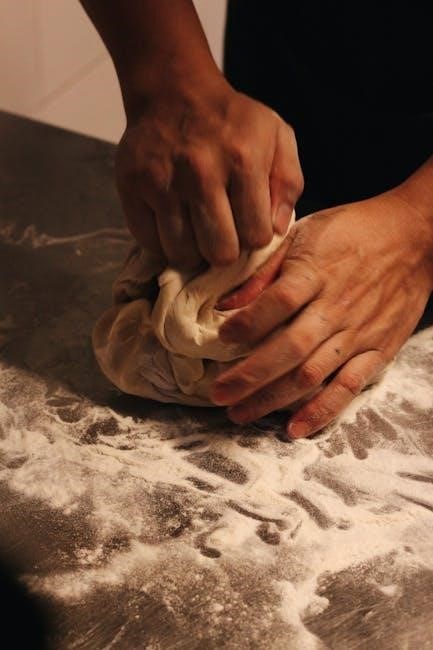
The control panel is your command center for baking success! Typically‚ you’ll find a power button to initiate the baking cycle․ Program selection buttons allow you to choose from pre-set options like ‘Basic’‚ ‘Whole Wheat’‚ or ‘French’․ A crust control setting adjusts the darkness of the crust – ‘Light’‚ ‘Medium’‚ or ‘Dark’ are common choices․
The delay timer button enables you to schedule baking for later‚ while size selection (1lb‚ 1․5lb‚ 2lb) adjusts baking time accordingly․ Look for start/stop buttons to control the cycle and a menu or setting button for customization․
Understanding these functions is key to achieving desired results․ Refer to your specific model’s manual for detailed explanations‚ as button layouts can vary․ Experimenting with different settings will unlock the full potential of your Breadman machine!
Understanding Display Indicators & Error Codes
The display panel provides crucial feedback during the baking process․ Common indicators include a kneading phase‚ rising stage‚ and baking cycle․ A keep warm function is often indicated‚ maintaining bread temperature after baking․ Pay attention to the time remaining display for cycle progress․
Error codes signal potential issues․ “EE” or similar codes often indicate a power interruption or malfunction․ If the machine displays an error‚ consult your manual for specific troubleshooting steps․ Codes might relate to sensor failures or ingredient imbalances․
Interpreting these signals prevents baking mishaps․ Ignoring error codes could damage the machine or result in inedible bread․ Always refer to your Breadman model’s manual for a complete list of indicators and their meanings․
Basic Bread Making Process
Embark on your baking journey with simple steps! Accurate ingredient measurement‚ proper addition order‚ and following the machine’s cycle are key to success․
Ingredient Measurement & Order of Addition
Precision is paramount in bread making! Always use accurate measuring tools – liquid measuring cups for liquids and dry measuring cups for flour‚ sugar‚ and other dry ingredients․ Level off dry ingredients for consistent results․
The order of ingredient addition is crucial for optimal dough development․ Typically‚ liquids are added first‚ followed by dry ingredients․ Yeast should be added last‚ avoiding direct contact with liquids or salt․ This prevents premature activation and ensures even distribution․
Follow your recipe carefully! Different Breadman models and recipes may have slight variations․ Generally‚ add ingredients in the order specified in the manual or recipe to achieve the best texture and rise․ Proper layering contributes to a well-structured loaf․

Basic Bread Recipe for a 1․5lb Loaf
Here’s a foundational recipe to get you started! This yields a classic 1․5lb loaf‚ perfect for sandwiches or toast․ You’ll need 1 ¼ cups (300ml) of warm water‚ 3 ½ cups (420g) of bread flour‚ 2 tablespoons (30ml) of sugar‚ 1 ½ teaspoons of salt‚ and 2 ¼ teaspoons (7g) of active dry yeast․
Optional additions include 2 tablespoons of softened butter or oil for a softer crumb․ Ensure your yeast is fresh for optimal rising․ This recipe is a great base for experimentation – feel free to add herbs‚ seeds‚ or other flavorings!
Remember to follow the order of addition outlined in the previous section for best results․ This simple recipe provides a delicious starting point for your bread machine journey․
Step-by-Step Baking Instructions
Begin by adding the wet ingredients – water‚ oil/butter – to the bread machine pan․ Next‚ add the dry ingredients: flour‚ sugar‚ and salt․ Create a small well in the center and pour in the yeast‚ ensuring it doesn’t directly contact the liquid initially․
Select the “Basic” cycle on your Breadman machine‚ and choose your desired crust color (light‚ medium‚ or dark)․ Close the lid and press start․ The machine will handle kneading‚ rising‚ and baking automatically․
Avoid opening the lid during the baking process‚ as this can affect the loaf’s rise․ Once the cycle is complete‚ carefully remove the pan and let the loaf cool on a wire rack before slicing and enjoying!

Advanced Features & Settings
Unlock baking potential! Explore delay timers‚ crust control options‚ and specialized programs for whole wheat or French bread‚ enhancing your Breadman experience․
Delay Timer Functionality
The delay timer feature allows for convenient‚ freshly baked bread precisely when you desire it․ This function enables you to add ingredients and set a delayed start time‚ meaning you can wake up to the aroma of warm bread or return home to a finished loaf․
Carefully consider ingredient perishability when utilizing the delay timer․ Avoid adding ingredients like dairy or eggs directly if the delay exceeds a few hours‚ as they can spoil․ Instead‚ consider using the rapid bake cycle for shorter delays or adding these ingredients manually later in the process․
Ensure the power supply remains uninterrupted during the delay period․ A power outage will reset the timer‚ potentially affecting the final product․ Refer to your specific Breadman model’s manual for detailed instructions on setting and utilizing the delay timer effectively․
Crust Control Settings
Breadman machines offer adjustable crust control settings‚ allowing you to customize the bread’s exterior to your preference․ Typically‚ these settings range from light to dark‚ influencing the baking time and resulting crust color and texture․
A lighter crust setting results in a softer‚ paler crust‚ ideal for sandwiches or those who prefer a less crunchy texture․ Conversely‚ a darker crust setting yields a richer‚ more robust flavor and a significantly crispier exterior‚ perfect for artisan-style loaves․
Experiment with different settings to discover your ideal crust․ Factors like ingredient ratios and ambient humidity can also affect the final result․ Consult your Breadman model’s manual for specific guidance on crust control options and recommended settings for various bread types․
Specialty Bread Programs (Whole Wheat‚ French‚ etc․)
Breadman machines boast a variety of pre-programmed settings designed for specific bread types‚ simplifying the baking process․ These programs automatically adjust kneading‚ rising‚ and baking times to optimize results for different recipes․
Common specialty programs include ‘Whole Wheat’ for denser‚ nutritious loaves‚ ‘French’ for crusty baguettes‚ and ‘Sweet’ for enriched doughs like brioche or cinnamon swirl bread․ Some models also feature settings for gluten-free baking or rapid baking cycles․
Always refer to your Breadman manual for the recommended ingredient ratios and program settings for each specialty bread․ Utilizing the correct program ensures optimal texture‚ flavor‚ and rise‚ delivering consistently delicious results․ Experimenting with these programs expands your baking repertoire!
Troubleshooting Common Issues
Addressing baking challenges is key! Common problems like rising failures‚ burning‚ or paddle issues are often easily resolved with adjustments or manual review․
Bread Not Rising Properly
Insufficient rise is a frequent concern for bread machine bakers․ Several factors can contribute to this issue․ First‚ ensure your yeast is fresh and properly activated; expired yeast or water that’s too hot or cold will hinder its performance․
Second‚ verify accurate ingredient measurements‚ particularly yeast and flour․ Third‚ the ambient temperature plays a role – a cold kitchen can slow down the rising process․ Consider a warmer location․
Fourth‚ excessive salt can inhibit yeast activity․ Finally‚ check the dough consistency; it should be slightly tacky but not overly wet or dry․ If the problem persists‚ consult your Breadman manual for specific troubleshooting steps related to your model‚ as different machines may have unique sensitivities․
Burned or Underbaked Bread
Achieving the perfect bake requires understanding your Breadman machine’s settings․ If your bread consistently burns‚ reduce the crust color setting or shorten the baking time slightly․ Ensure the heating element is clean‚ as residue can cause uneven heating․
Conversely‚ underbaked bread often results from insufficient baking time or a low-quality heating element․ Extend the baking time in 5-10 minute increments until the loaf is golden brown and sounds hollow when tapped․
Also‚ verify the correct program is selected for your bread type․ Different programs have varying bake times and temperatures․ Refer to your Breadman manual for specific guidance and troubleshooting tips tailored to your model‚ as variations exist between machines․
Paddle Stuck in Bread
A common frustration is a paddle remaining lodged within the finished loaf․ This often occurs if the dough is too sticky or hasn’t fully cooked․ Allow the bread to cool completely before attempting removal; a warm loaf is more prone to tearing․
Gently use a plastic or wooden utensil to dislodge the paddle‚ avoiding metal tools that could damage the non-stick coating․ Ensure the paddle is securely attached before starting the baking cycle‚ as a loose paddle can become deeply embedded․
If the issue persists‚ slightly reduce the liquid content in your recipe․ Consult your Breadman manual for specific recommendations regarding dough consistency and paddle removal techniques for your particular model․
Cleaning & Maintenance
Regular cleaning extends your Breadman’s life! Proper procedures‚ long-term storage‚ and preventative tips ensure optimal performance and consistently delicious‚ homemade bread for years․
Proper Cleaning Procedures
Maintaining a clean Breadman machine is crucial for hygiene and longevity․ Always unplug the machine and allow all parts to cool completely before cleaning․ The baking pan and kneading paddle are typically non-stick coated and should be hand-washed with warm‚ soapy water; avoid abrasive cleaners that could damage the coating․
The exterior of the machine can be wiped down with a damp cloth․ Never immerse the main unit in water or any other liquid․ Ensure no water enters the control panel or vents․ For stubborn residue inside the baking pan‚ a paste of baking soda and water can be effective․
Thoroughly dry all components before reassembling․ Regular cleaning after each use prevents buildup and ensures optimal performance‚ contributing to consistently delicious bread․ Inspect the paddle for any signs of wear and tear․
Long-Term Storage Guidelines
When storing your Breadman machine for extended periods‚ proper preparation is key․ Ensure the machine is completely clean and dry‚ following the outlined cleaning procedures‚ to prevent mold or odors․ Remove the baking pan and kneading paddle‚ storing them separately in a clean‚ dry location․
Store the machine in a cool‚ dry place‚ away from direct sunlight and extreme temperatures․ Consider using the original packaging or a dust cover to protect it from dust and scratches․ Avoid storing it in damp basements or attics․
Periodically check the machine during storage‚ especially if stored for over six months‚ to ensure no issues have developed․ Proper storage safeguards your investment and ensures it’s ready for baking when you are!
Preventative Maintenance Tips
Regular preventative maintenance extends the life of your Breadman machine․ After each use‚ thoroughly clean the baking pan and kneading paddle to prevent dough buildup․ Inspect the heating element for any signs of damage or wear‚ and ensure it’s free of debris․
Periodically check the power cord for fraying or damage‚ and replace if necessary․ Avoid using abrasive cleaners‚ as they can damage the machine’s surfaces․ A soft‚ damp cloth is ideal for cleaning the exterior․
Lubricate moving parts‚ if recommended in your specific model’s manual‚ to ensure smooth operation․ Following these simple steps will help maintain peak performance and consistent baking results for years to come!